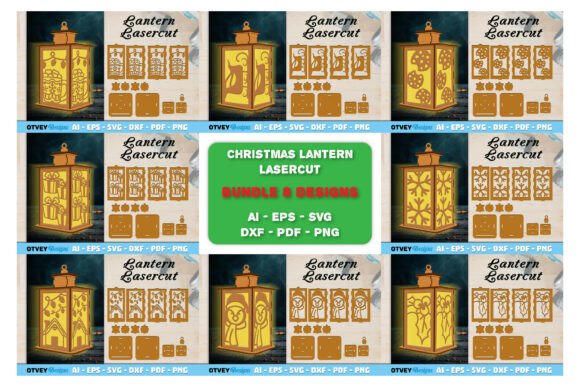
Reviewing the Christmas Lantern Lasercut Design
As a designer who has spent years digitizing patterns and testing them on everything from flimsy silk to heavy denim, I approach every new machine embroidery design with a mix of curiosity and skepticism. We have all been there: you download a beautiful preview, load it onto your machine, and hope for the best. Today, I am taking a close look at the Christmas Lantern Lasercut pattern. This is not just about whether it stitches out; it is about whether it holds up in the real world of craft businesses, client demands, and holiday deadlines.
First Impressions and Visual Mood
The first thing that strikes me about the Christmas Lantern Lasercut is its intricate balance between negative space and solid fill. The term "lasercut" in the title suggests a geometric precision, and visually, it delivers. It evokes the warmth of a winter evening, capturing that specific nostalgia associated with holiday embroidery. The layout feels structured yet inviting, avoiding the cluttered look that plagues so many seasonal designs. For an embroidery project intended to sit on a mantle or hang on a tree, this visual personality is crucial. It does not scream for attention; it invites it.
When I visualize this as part of the broader Ornaments category, it stands out because of its potential for texture. Unlike simple satin stitch snowflakes, this design likely relies on a combination of fill stitch areas and delicate running stitch outlines to mimic the cut-paper aesthetic. This complexity is what gives it value, but it also raises questions about execution on different materials.
Real-World Application: Beyond the Hoop
Let us move away from theory and talk about actual products. Imagine you are preparing a custom order for a boutique client who wants a set of matching tote bag design items for their holiday staff. You choose the Christmas Lantern Lasercut for the front panel. On a sturdy canvas tote, this design would shine. The rigid structure of the lantern shape complements the durable fabric, and the stitch density should provide enough coverage to look substantial without making the bag stiff.
However, consider a different scenario: a personalized baby onesie. Here, caution is necessary. While the design is beautiful, the intricate details might feel too heavy for a tiny chest. If you are an Etsy seller specializing in baby embroidery, you might need to scale this down significantly or reserve it for larger items like receiving blankets or nursery wall hangings. The key is understanding where the design fits naturally. It excels in custom apparel like sweatshirts, where the sweatshirt embroidery can handle the weight of the threads, creating a cozy, high-end look that customers love.
Fabric and Stabilizer Considerations
The success of any embroidery file depends heavily on the substrate. For the Christmas Lantern Lasercut, I recommend starting with a medium-weight cotton or a stable poly-blend. If you are working with textured fabrics, such as terry cloth towels or fuzzy fleece, the fine lines of the lantern might get lost. In those cases, increasing the thread colors contrast becomes vital. A bright gold or silver thread against a deep navy or forest green background will ensure the details remain visible.
Do not underestimate the role of the stabilizer. Because this design mimics a lasercut look, it likely has open areas surrounded by stitching. Without proper support, these areas can pucker, distorting the lantern shape. I always advise using a cut-away stabilizer for garments that will be washed frequently, ensuring the finished product maintains its integrity over time. For a one-time gift item, a tear-away might suffice, but for a small shop product meant to last, invest in quality stabilization.
Navigating Technical Challenges
There are specific situations where you should use this design carefully. If you are working with a small hoop size, check the dimensions of the digital file first. Cramping a detailed design into a 4x4 hoop can lead to thread breaks and poor registration. Additionally, curved surfaces like caps present a challenge. The flat geometry of the lantern may distort when stitched onto the curved front of a baseball cap. If you must use it there, consider placing it on a flat embroidered patch first, then attaching the patch to the hat. This method preserves the design's clarity and professional appearance.
Another critical factor is stitch density. High-density areas can cause fabric perforation, especially on thin materials. Before committing to a final handmade product, always test the design on scrap fabric identical to your final material. Check for pull compensation issues and ensure that the tiny corners of the lantern design do not bunch up. This step is non-negotiable for maintaining customer trust and brand consistency.
Commercial Value and Branding
For creative entrepreneurs and digital product sellers, the Christmas Lantern Lasercut offers strong commercial potential. It fits seamlessly into printable mockup portfolios, allowing you to showcase versatile design assets to potential buyers. Whether you are selling the digital embroidery file itself or the personalized gift created from it, the design’s aesthetic appeals to a broad audience. It feels traditional yet modern, a sweet spot for holiday gifts and boutique branding.
When listing this on platforms like Etsy, highlight its versatility. Show it on a kitchen towel, a pillow cover, and a cap. Demonstrate how the applique design elements (if present) or the intricate stitching add value. Buyers engage more with listings that show the design in context, proving its usability in real life. This approach boosts buyer engagement and positions your craft business as professional and thoughtful.
Final Designer Notes
Before you launch your next commercial embroidery run with the Christmas Lantern Lasercut, keep these practical tips in mind:
- Always verify the license terms. Confirm whether the file allows for unlimited sales of finished product items or if there are restrictions.
- Test thread color combinations. High contrast is key for visibility, but subtle tonal shifts can create a sophisticated, understated look.
- Inspect small details after the test stitch. Ensure that no tiny connecting stitches are missed, which could cause unraveling.
- Consider the end-user. If the item is for a child or frequent washing, prioritize durability over intricate delicacy.
- Use proper lighting in your product photos. The interplay of light and shadow in the lantern design should be highlighted to show off the depth of the stitching.
In conclusion, the Christmas Lantern Lasercut is a robust choice for designers who understand the nuances of machine embroidery. It requires respect for fabric choice and stabilization, but when executed correctly, it elevates a simple item into a cherished keepsake. Whether you are a hobbyist making gifts for family or a seasoned Etsy seller stocking up for the holiday rush, this design offers the reliability and beauty needed to succeed in the competitive world of handmade goods.