Reviewing the Red Coquette Christmas Bow Clipart
As a designer who spends more time staring at stitch simulations than I do sleeping, I have learned that not every pretty graphic translates well to thread. We see thousands of Illustrations flood the market every holiday season, but only a handful possess the structural integrity required for actual machine embroidery. This year, I took a close look at the Red Coquette Christmas Bow Clipart to determine if it is merely a cute digital asset or a viable component for serious craft business projects. My goal was not just to admire the aesthetic, but to evaluate how this design behaves under the needle, on various fabrics, and in the hands of an Etsy seller looking to maximize profit while minimizing frustration.
First Impressions: Aesthetic Meets Functionality
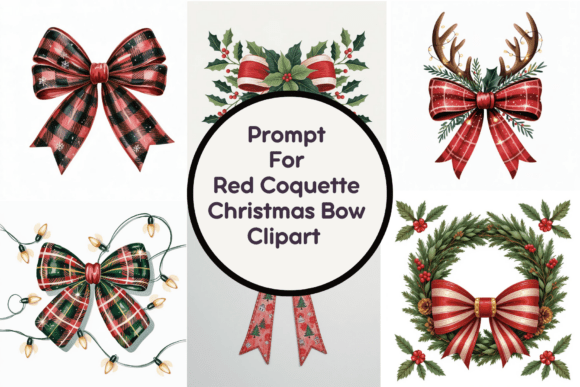
The immediate appeal of the Red Coquette Christmas Bow Clipart lies in its balance between whimsy and classic holiday charm. The "coquette" trend has dominated social media, characterized by soft femininity, ribbons, and nostalgic details. This design captures that mood perfectly. However, from a technical standpoint, my first question was always about line weight and complexity. Does the bow have enough definition to hold up as a machine embroidery design, or will it turn into a muddy mess of red thread?
Visually, the shape is organic yet structured. The loops of the bow suggest a soft fabric texture, which is promising for embroidery because it allows for creative stitch choices. If this were a rigid, geometric shape, I would worry about puckering. But the flowing nature of a bow invites the use of satin stitch for the edges and a lighter fill stitch for the body, creating dimension without excessive bulk. For designers, this means the visual personality of the piece is adaptable. It feels at home on a delicate baby onesie just as much as it does on a rustic linen tea towel.
Real-World Application: The Tote Bag Test
To truly understand the value of any digital embroidery file, you must imagine it on a finished product. I mentally placed this bow on a natural canvas tote bag, a staple item for small shop products during the holidays. The contrast of the vibrant red against the neutral beige canvas is striking. In this scenario, the Red Coquette Christmas Bow Clipart acts as a focal point. It is not overly busy, which allows the texture of the canvas to breathe through the stitches.
For an embroidery project like this, the design’s layout is crucial. A bow is inherently symmetrical, which makes hooping easier. There is less risk of the design pulling unevenly on the fabric compared to asymmetrical illustrations. When I consider using this for custom apparel, such as a cream-colored sweatshirt, the design offers a boutique feel. It elevates a basic garment into a personalized gift that feels high-end. Customers are increasingly drawn to items that look handmade but polished, and this design bridges that gap effectively. It avoids the cheap look of overly dense, plastic-like embroidery by maintaining a sense of airiness in its form.
Navigating Fabric and Hoop Constraints
While the design is versatile, it is not without its challenges. Embroidery designers know that red thread can be tricky. It often shows gaps if the stitch density is too low, or it can bleed into surrounding areas if the tension is off. When working with the Red Coquette Christmas Bow Clipart, I recommend paying close attention to your stabilizer choice. On stretchy fabrics like jersey knits for t-shirts, a cut-away stabilizer is non-negotiable to prevent the bow from distorting after washing.
Another consideration is the hoop size. If you are aiming for a subtle accent on a cap or a baby hat, you must ensure the details of the bow do not become lost. Tiny tails or intricate knots in the clipart might need simplification when scaled down. Conversely, on larger items like pillow covers or blankets, the design can shine with more intricate detailing. I always advise testing the design on scrap fabric first. Check how the red thread interacts with your specific machine. Some machines handle long satin stitches better than others, and a bow relies heavily on these smooth, continuous lines to look professional.
Dark fabrics present another hurdle. If you are stitching this red bow on navy or black fabric, the contrast may not be sufficient. In such cases, consider adding a white or cream underlay or outline to make the holiday embroidery pop. This small adjustment can save a finished product from looking dull and uninviting.
Commercial Viability and Brand Consistency
For craft business owners, the ultimate question is whether this design sells. The coquette aesthetic is currently trending, which means there is high demand for items featuring bows and ribbons. Using the Red Coquette Christmas Bow Clipart allows you to tap into this trend without having to digitize complex shapes from scratch. It serves as a reliable design asset for creating cohesive collections. Imagine a line of products including aprons, oven mitts, and tote bags, all featuring this same bow motif. This consistency builds brand recognition and trust.
Moreover, the design works well for printable mockup creation. Before you even stitch a single thread, you can place this graphic on digital templates to gauge customer interest. This reduces waste and helps you plan your inventory smarter. For commercial embroidery projects, speed is also a factor. A design that is not overly dense stitches out faster, allowing you to produce more units in less time. This efficiency directly impacts your profit margin, making it a smart choice for high-volume seasons like Christmas.
Practical Notes for the Serious Maker
Before you commit to using this design in client work, here are a few practical steps to ensure success. First, verify the license terms. Ensure that the Illustrations provider allows for commercial use if you plan to sell the handmade product. Second, check the file formats provided. You need an embroidery file compatible with your machine, not just a PNG or JPEG. If the provider only offers image files, you will need to digitize it yourself, which requires skill and time.
Third, experiment with thread colors. While red is traditional, try burgundy, pink, or even metallic gold for a unique twist. The shape of the bow is strong enough to support color variations. Finally, inspect the small details. If the clipart includes tiny elements like bells or holly leaves, ensure they are large enough to stitch clearly. If not, consider removing them or replacing them with simple running stitch accents to maintain clarity.
In conclusion, the Red Coquette Christmas Bow Clipart is a strong contender for your holiday lineup. It balances trendiness with timeless appeal and offers flexibility across various fabric texture types. With careful attention to stabilizer, tension, and placement, it can elevate your small shop product offerings and delight customers looking for that perfect, heartfelt personalized gift. It is not just a pretty picture; it is a functional tool for the modern embroidery entrepreneur.