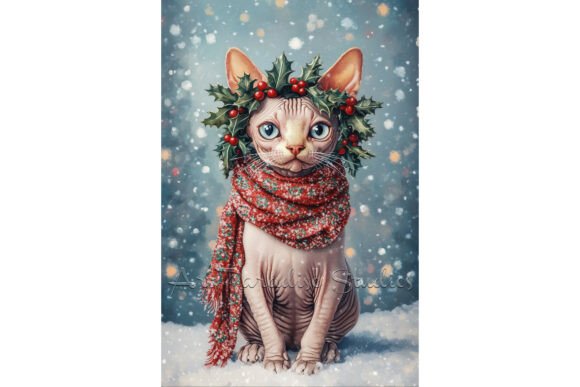
Reviewing Christmas Sphynx Cat Winter Wall Art
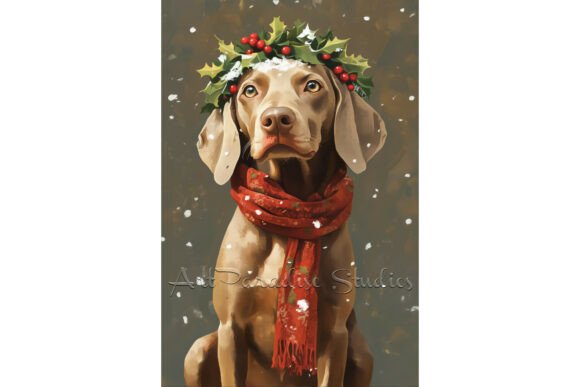
As a designer who has spent years digitizing and stitching thousands of machine embroidery design files, I approach every new asset with a critical eye. It is not enough for an image to look cute on a screen; it must translate flawlessly into thread. When I first opened the file for Christmas Sphynx Cat Winter Wall Art, my initial reaction was one of cautious optimism. The subject matter—a hairless cat in a winter setting—is niche but undeniably charming, tapping into the growing market for unique pet-themed holiday decor. However, the real test is always in the stitching.
First Impressions and Visual Personality
The mood of this piece is cozy yet quirky. Sphynx cats have a distinct silhouette that differs vastly from fluffy Persian or Tabby breeds, and capturing that specific anatomy in embroidery requires careful attention to line work. This design falls under the category of Illustrations, which often implies a higher level of detail and artistic intent compared to standard clipart. The layout feels balanced, avoiding the cluttered look that plagues many seasonal designs. For an embroidery project, this clarity is vital. A busy background can easily get lost in the texture of the fabric, but here, the focal point remains sharp.
I immediately considered where this would fit best in a product lineup. It does not scream "generic holiday gift." Instead, it speaks to a specific customer: the cat lover who appreciates the unusual beauty of the Sphynx breed. This specificity is a strength for any Etsy seller or small shop product owner looking to stand out in a saturated market.
Real-World Application: The Custom Tote Scenario
To truly evaluate the utility of this embroidery file, I imagined a real-life scenario. Suppose a client commissions a custom tote bag for their sister, a devoted Sphynx owner. The goal is a durable, stylish accessory that doubles as a conversation starter. Using Christmas Sphynx Cat Winter Wall Art on a heavy canvas tote allows the design to shine. Canvas provides a stable base, minimizing the risk of puckering, which is crucial when dealing with detailed illustrations.
In this context, the design performs well as a central chest or back panel element. If I were stitching this for a sweatshirt embroidery project, I would place it slightly off-center for a modern, boutique feel. The visual weight of the cat anchors the garment, making it feel like a high-end handmade product rather than a mass-produced item. Customers react positively to designs that tell a story, and the winter theme adds a layer of seasonal warmth that extends the product's relevance beyond just December.
Technical Considerations for Stitching
From a technical standpoint, there are several factors to monitor. Since this is an illustration-style piece, it likely utilizes a mix of fill stitch for the body and satin stitch or running stitch for finer details like whiskers or facial features. When working with such designs, stitch density is a primary concern. If the density is too high on a thin fabric, you risk needle cuts or fabric distortion. If it is too low, the backing material may show through, ruining the professional finish.
I strongly advise testing the design on scrap fabric first. Do not assume it will work perfectly on your first try. Check the thread colors against your intended fabric. For a winter theme, cool tones like icy blues, whites, and soft grays work beautifully, but ensure there is enough contrast between the cat and the background elements. If the design includes tiny lettering or intricate corners, inspect these areas closely after the test run. Tiny details can become blobs if the tension is not adjusted correctly.
Navigating Fabric and Hoop Constraints
Where should you use this design carefully? Avoid placing it on highly textured fabrics like thick chenille or loose-weave knits unless you use a strong cut-away stabilizer. The fine lines of the illustration may get lost in the pile of the fabric. Similarly, be cautious with stretchy materials. While custom apparel like t-shirts is a popular choice, the hoop size must be appropriate. If the design is large, ensure your machine’s hoop size can accommodate it without requiring complex re-hooping techniques that might misalign the pattern.
For curved surfaces like caps or hats, this design might be challenging unless it is simplified or resized significantly. The flat nature of the illustration suits flat surfaces best, such as tote bag design applications, pillow covers, or wall hangings. If you are creating an embroidered patch, consider using a dense satin border to frame the design, giving it a clean, finished edge that prevents fraying.
Enhancing Brand Value and Customer Trust
Using high-quality design assets like Christmas Sphynx Cat Winter Wall Art directly impacts your brand consistency. When customers see crisp, well-executed stitching, their trust in your craftsmanship increases. This is particularly important for commercial embroidery projects where repeat business relies on perceived value. A poorly stitched design can make even the most expensive garment look cheap, whereas a clean, professional finish elevates the perceived worth of the item.
For digital product sellers, this design can also serve as a powerful visual in printable mockup previews. Showing how the design looks on various items—such as a baby embroidery onesie or a kitchen towel—helps buyers visualize the final product. This visualization boosts buyer engagement and reduces hesitation at checkout. Remember, whether you are selling the digital embroidery file itself or the finished product, presentation is key.
Practical Designer Notes
Before committing to a full production run or listing this as a personalized gift option, keep these practical tips in mind:
- Test on Multiple Fabrics: Stitch the design on both light and dark backgrounds to check visibility and contrast.
- Check Licensing: Confirm whether the license allows for commercial use if you plan to sell items made with this design. Never assume; always read the terms provided by the creator.
- Optimize Stabilizer: Use a stabilizer that matches the fabric weight. For stretchy knits, a cut-away is often safer than tear-away to prevent distortion over time.
- Review Thread Palette: Ensure your thread colors match the seasonal vibe. Metallic threads can add a festive touch to the winter elements but may require slower stitching speeds.
- Inspect Small Details: Zoom in on the digital file to identify any potential jump stitches or overly dense areas that might need manual editing in your software.
In conclusion, Christmas Sphynx Cat Winter Wall Art is a compelling choice for designers looking to add character to their holiday collections. It bridges the gap between whimsical illustration and practical embroidery, offering versatility for various craft business applications. By respecting the technical requirements of the design and understanding its ideal use cases, you can create stunning, memorable pieces that resonate with customers and enhance your portfolio.